The Weekly Wonk: The Village of Fayetteville

Welcome back to the #WeeklyWonk. Each weekend I release an article on a subject relating to elections in Onondaga County and New York State. Often these articles will have detailed stats to consume but sometimes they will be a recap of a prominent issue or on relevant election law. I am turning my eye to the 2023 elections. This week I take a break from looking at the political subdivisions and focus on a work item from the Onondaga County Board of elections. Today I look at the Village of Fayetteville who is having a special election this March.

The Village of Fayetteville is located inside the Town of Manlius.  Villages The Village Board and Mayor have decided to hold their elections in the traditional March election period.  Normally their elections are on even years, just having a village elections last year.  That is also the first year the Onondaga County Board of Elections ran this village election, after a problematic ballot in 2020. There is a special election this year to fill a vacancy of a village board member this year. The Town Of Manlius Democratic Committee started running candidates on the Democratic line in 2022 and thus it is a great subject for my #WeeklyWonk series.

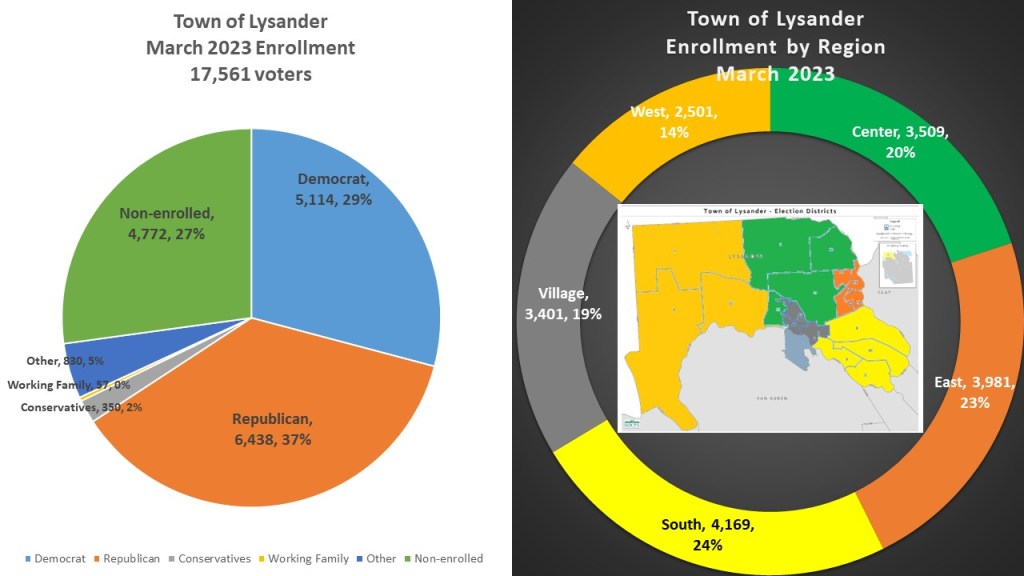
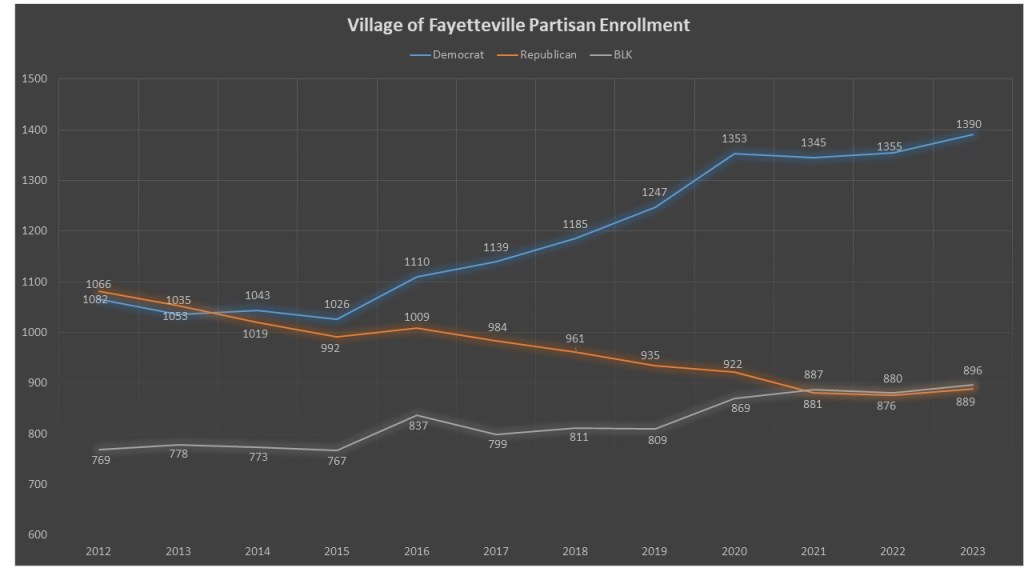
The Village of Fayetteville has morphed into a strong Democratic plurality community.  Democrats have 41% of the electorate. The Non-enrolled actually now outnumbers the GOP at 27% to the GOP 26%.  This type of enrollment advantage is probably why we see the Town of Manlius Democratic committee running candidates on partisan lines while the Town of Manlius GOP committee has decided not to.  This changes from village to village and we see the opposite in GOP run villages like Elbridge and Liverpool.  The Village of Fayetteville is made up of five different Election Districts, Manlius 5,7,8,17, & 21.  The largest voter population is in 17 (23%) and smallest in 5 (17%), with 7 (19%), 8 (20%), and 21 (21%) lumped in the middle.

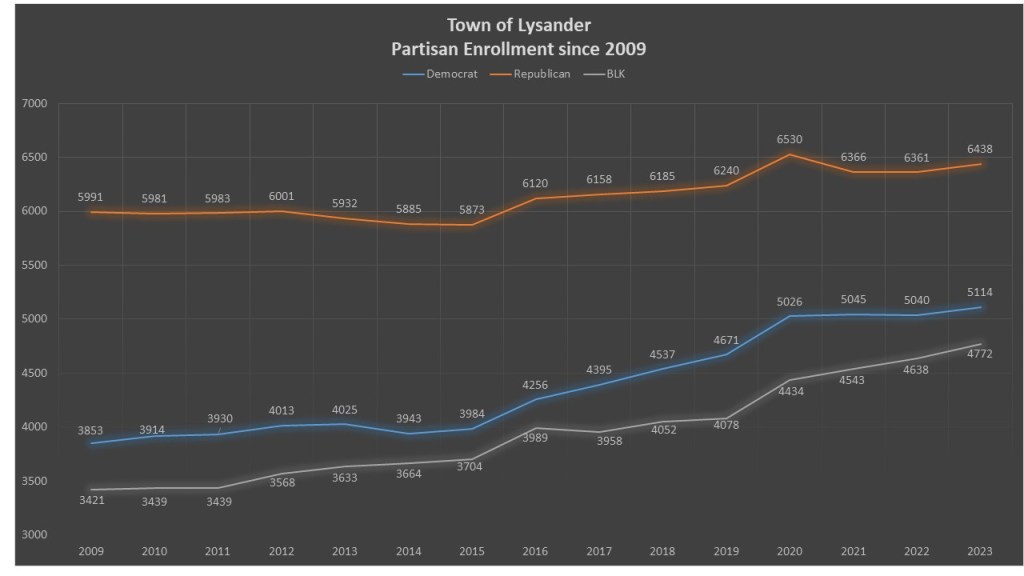
In 2012 the Onondaga County Board of Elections started to place the villages inside election district boundaries after the redistricting year.  This allows us to run their elections if they wish as well as make it easier to track voter registration over time.  The Village of Fayetteville has experiences the changes we have seen in the Town of Manlius overall, a definitive switch to Democratic enrollment.  Democrats have gained 308 voters and the GOP has lost 177 voters since 2012.  The non-enrolled voter has gained 127 voters.

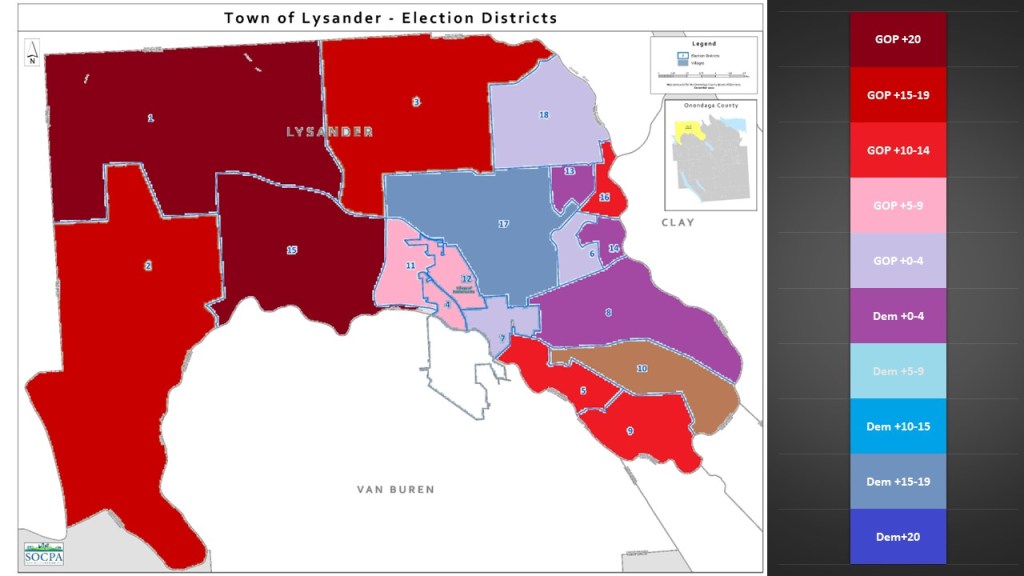
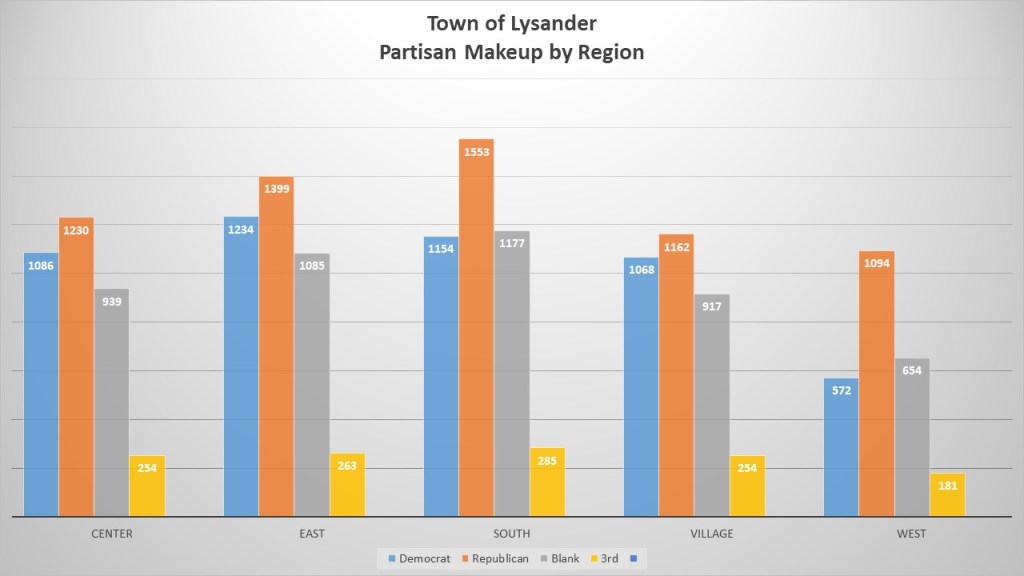
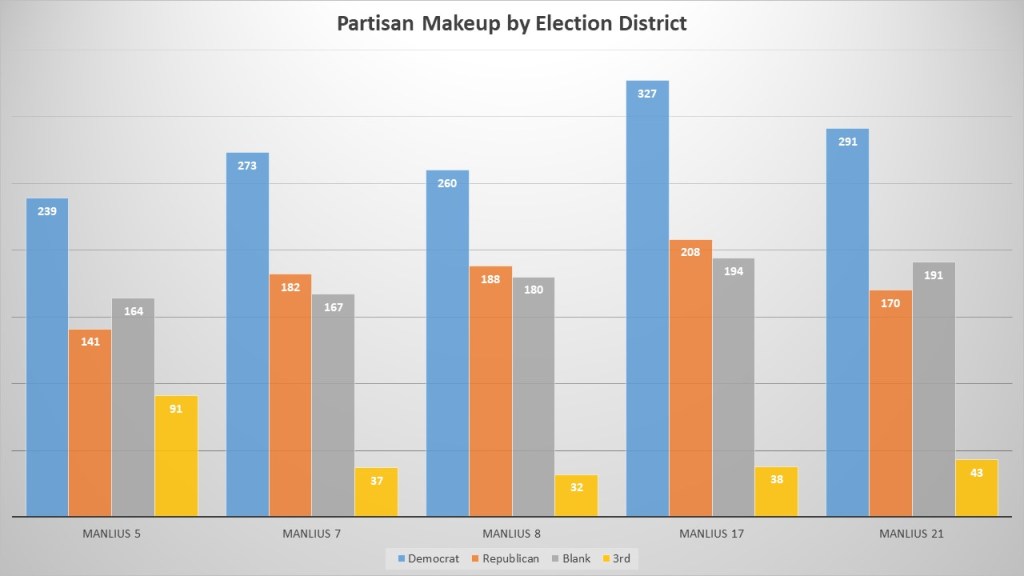
When we look at the election district partisan breakdown, we see that Democrats in enrollment dominate each ED as well.  Manlius 17 has the largest Democratic enrollment as well as partisan advantage to GOP.  Manlius 5 and Manlius 21 the non-enrolled outnumber the GOP as well.  But even in Manlius 7 & 8 have large Democratic enrollments now.

The Village of Fayetteville voter enrollment has grown moderately since 2012 gaining 258 voters or a growth of 7.66%. The 3 most Democratically leaning eds, Manlius 5, 17, & 21 also happen to be the ones showing the lions share of the growth since 2012.  Manlius 7 & 8, the more traditionally aligned eds, and Eds that were once GOP, are some of the smaller growths in voter population for the village.

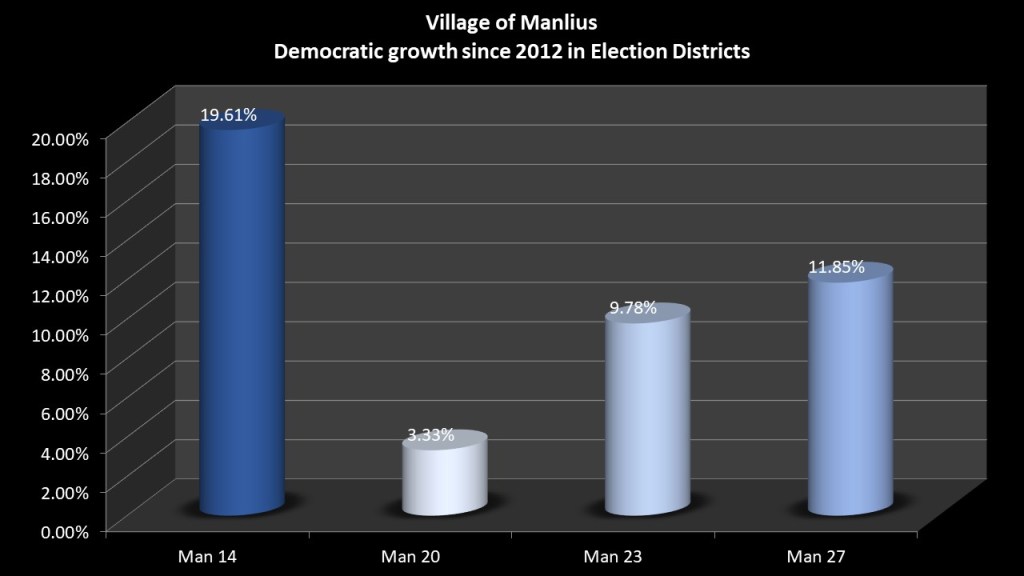
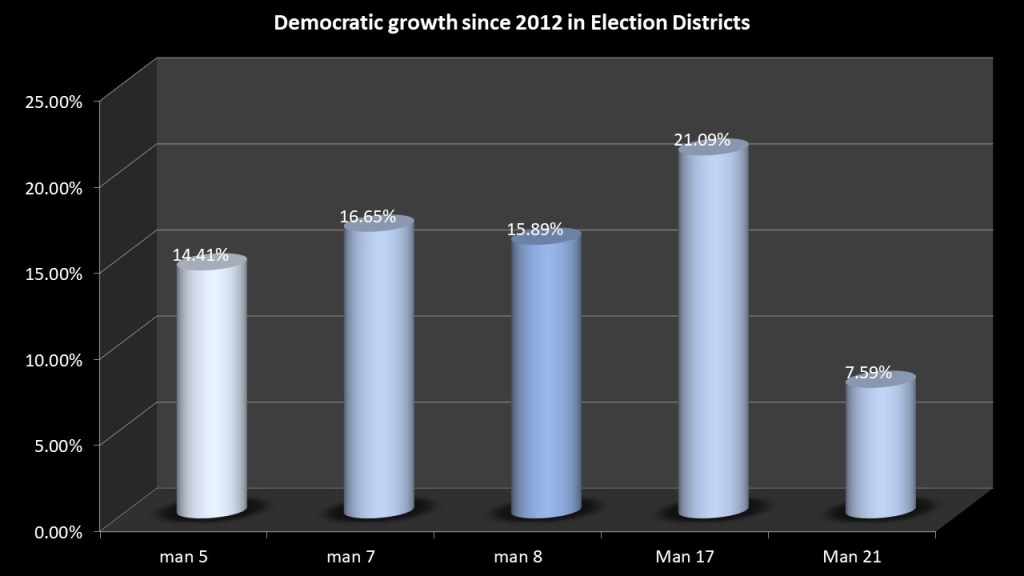
The Democratic growth in each ED is outpacing the voter growth in four of the 5 eds.  Manlius 21 was already fairly Democratic in 2012 so it the partisan advantage got better, but not dramatically so (Dem +7.59% gain). Manlius 7 (Dem +16.65% gain), 8 (Dem +15.89% gain), & 17 (Dem +21.09% gain) were GOP districts in 2012 and flipped to Democratic districts in 2023 showing the most growth.  Manlius 5 was a slightly Democratic district in 2012 and have become a solidly Democratic district now (Dem +14.41% gain).

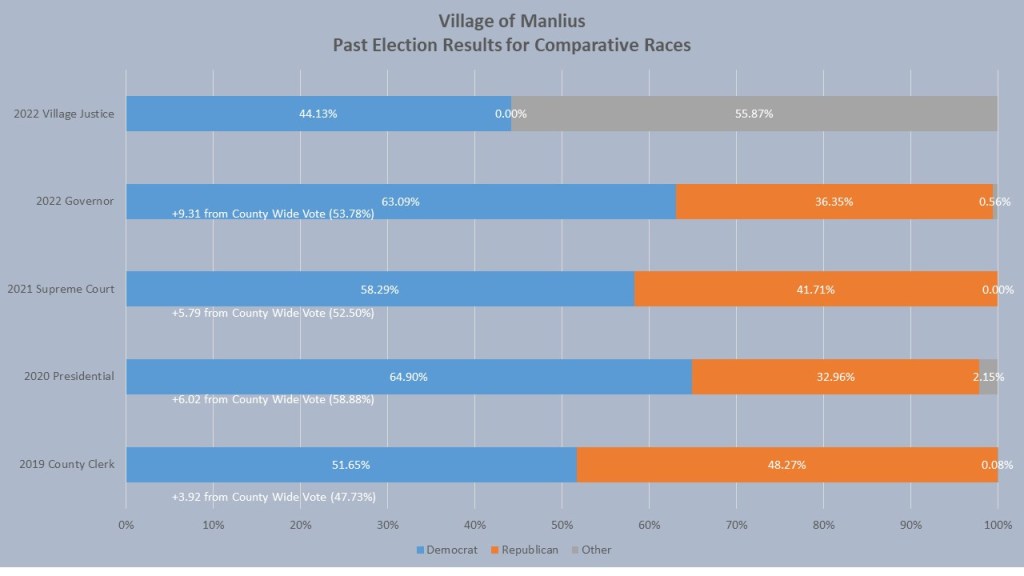
When it comes to comparative races the village of Fayetteville performs as a solidly Democratic subdivision.  In all 4 of the comparative races the Village of Fayetteville outperforms Onondaga County as a whole.  In 2022 for Governor it gave Kathy Hochuli Democrat 64.30% of the vote, +10.52 points from her countywide win.  In 2021 it voted for Anthony Brindisi Democrat for Supreme Court garnered 60.30%, +7.80 points from his countywide win (though he lost in other counties). In 2020 Joe Biden won Fayetteville with 66.96% of the vote, +8.08% from his countywide win.  And in 2019 Mark Kolinski won Fayetteville with 55.03% of the vote, improving on his countywide loss by +7.30%.  The last village election is not included because it was a vote for two village board election with Democrats running 2candidates and a 3rd candidate running on a non-partisan line so it doesn’t compare well  However those results were Democrat & Fayetteville Neighbors party Mark Matt 583 votes, Balance Party Mike Small 518 votes, Democrat and Fayetteville Neighbors Party Casey Cleary 471 votes.  In the 2023 March Village elections there is only one candidate for the Town village Board petition, Democrat Jane Rice is running on the Democratic line and another independent Fayetteville Voices line.

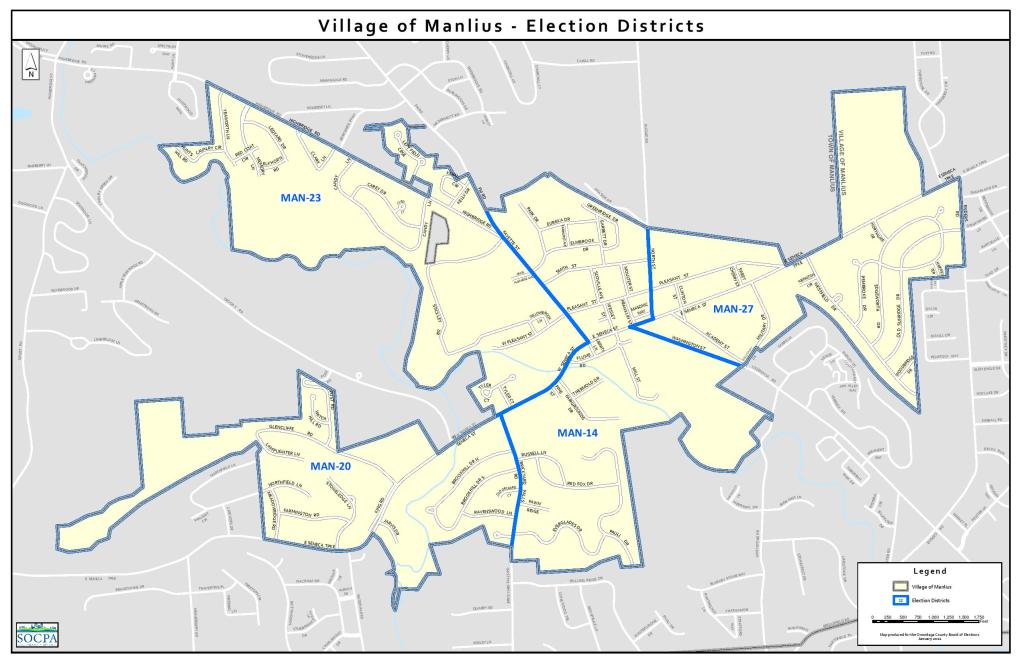
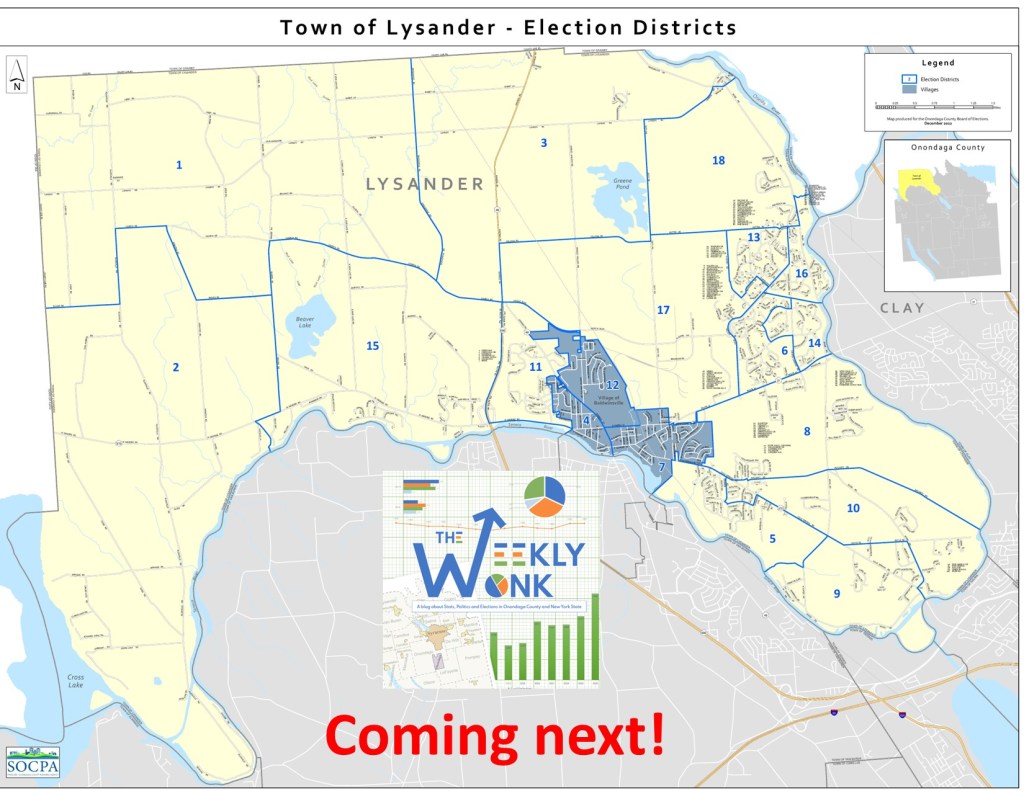
That is, it for this week’s edition of the Weekly Wonk.  Next week I will focus on the Village of Manlius who is also having an election in March.  For my #weeklyWonks this year I will be adding in villages that have partisan elections in them as well as my individual look at the towns, county legislature districts.  So, stay tuned. Subscribe to dustinczarny.com for all election news and content updates.

Democrats on the party changing its presidential primary calendar – WXXI Connections

I appeared on WXXI Connections to discuss the Democrats changing their primary calendar. You can listen to this hour long program below where I gave some insight on why I believe this was a good move and answered host and listener questions.

https://www.wxxinews.org/show/connections/2023-02-24/democrats-on-the-party-changing-its-presidential-primary-calendar

Zoom with Czarny Dana Balter and Karen Wharton of Citizen Action NY

This week I talk to an old friend, Dana Balter, and new friend Karen Wharton of Citizen Action NY. We dive deep into the public campaign finance system that launched this year for NY Assembly, Senate, and statewide offices starting in 2024. Enjoy.

Find out more about Citizen Action NY at https://citizenactionny.org/

Subscribe to dustinczarny.com for all content and election news updates.

Commissioner in a Car: Enrollment reports are pulled…signature requirements coming soon

This week I talk about the work the County Board of Elections is doing to get signature requirements and enrollment statistics done in time for next week’s start of designating petitions. Enjoy.

https://anchor.fm/zoomwithczarny

Subscribe to dustinczarny.com for all content and election news updates

The Weekly Wonk: 2023 Redistricting

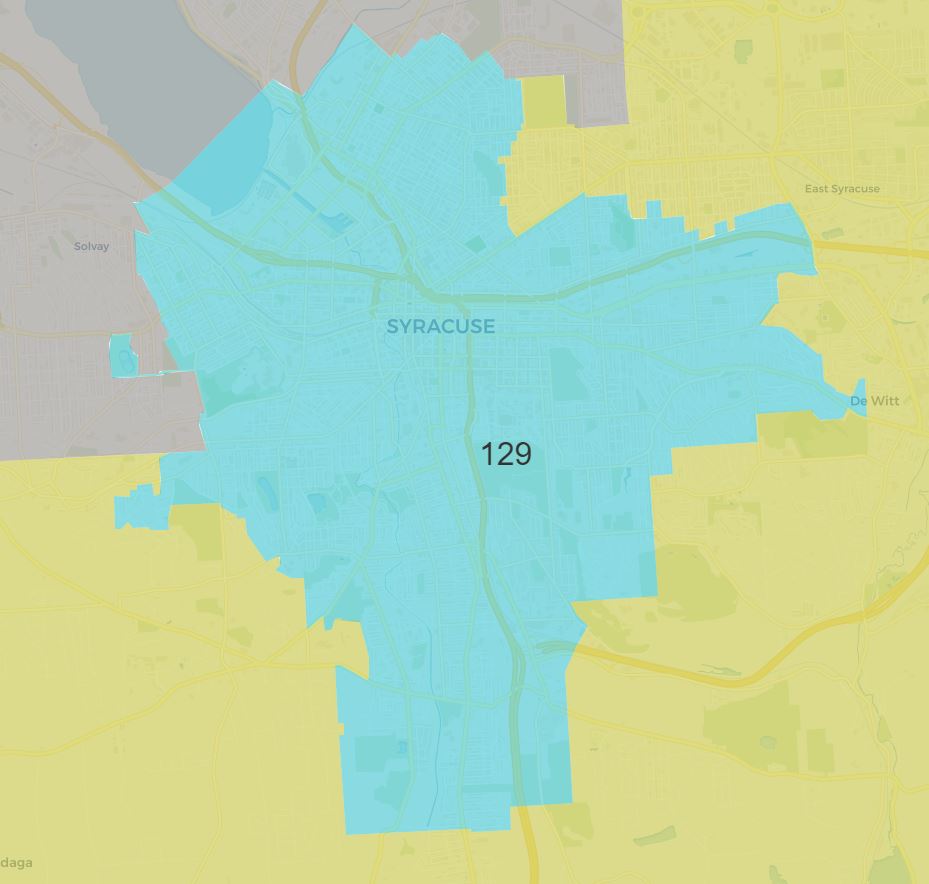
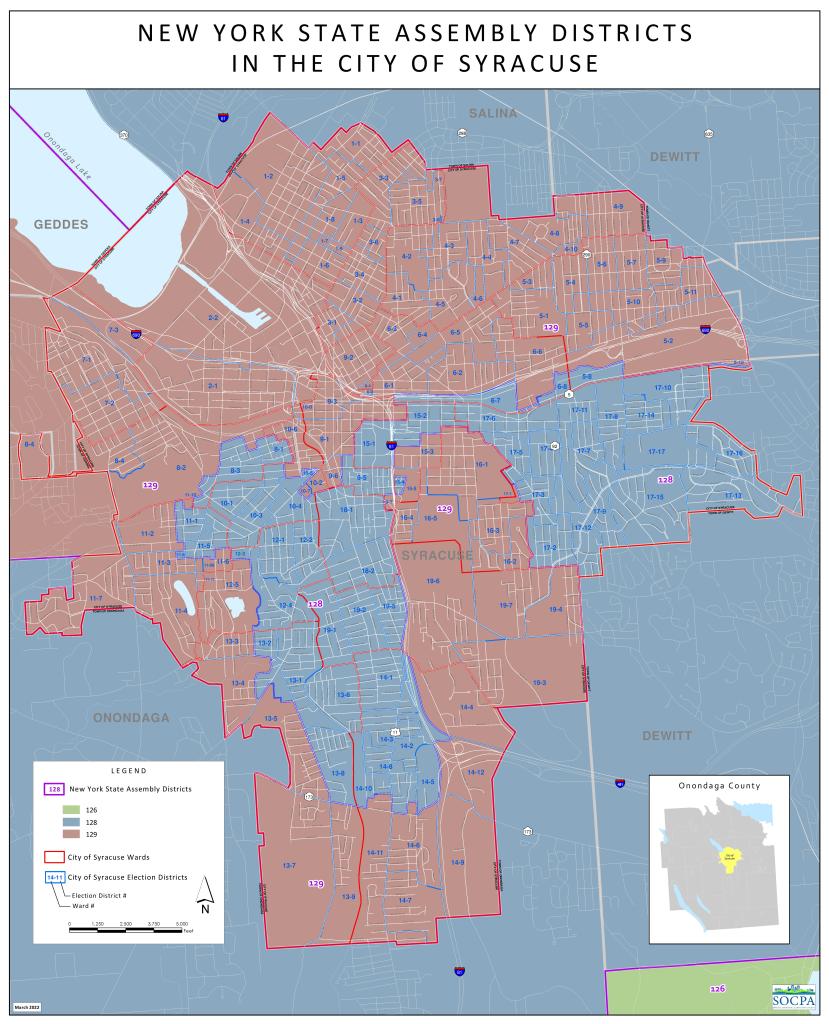
Welcome back to the #WeeklyWonk. Each weekend I release an article on a subject relating to elections in Onondaga County and New York State. Often these articles will have detailed stats to consume but sometimes they will be a recap of a prominent issue or on relevant election law. I am turning my eye to the 2023 elections. This week I take a break from looking at the political subdivisions and focus on a work item from the Onondaga County Board of elections. Today I look at the effect of redistricting in 2023 on the Syracuse Common Council districts and Onondaga County Legislature.

Redistricting dominated the 2022 political landscape and will continue to do so in 2023.  The five City of Syracuse Common Council districts and 17 Onondaga County Legislative districts underwent redistricting in 2022.  That means in 2023 candidates will be running in new districts.  The process to get to the new districts could not be more different. In the City of Syracuse they instituted a citizen led redistricting panel that redraw the city districts over a year long process that resulted in acceptable maps based on neighborhoods.  In the County a hastily convened redistricting process that took place over 30 days resulted in vetoed maps, even more hastily drawn maps by the county legislature, and now an ongoing lawsuit.  

Looking at the above charts we can see the overall voter population in each district.  No matter the process redistricting is based on overall population.  This can lead to a wide variety on voter population.  Urban populations tend to be registered at less rates than suburban populations. In Syracuse this is because of a large non-citizen population as well students from Syracuse University and Lemoyne who may be registered at their home addresses.  We see that the City districts for the OCL (7,8,9,15,16,17) tend to have lower voter populations than the suburban districts.  The same is true inside the City of Syracuse Common Council districts as northside district CC1  with a large new American population and CC3 the home of student populations for Syracuse University and Lemoyne University lags behind the rest of the city districts.

The new City Common Council districts are still essentially the same as the old ones in terms of partisan advantage.  In every district Democrats dominate the partisan enrollment. Like in the previous districts, cc1 is the only district where Democrats have only a an overwhelming plurality of voters instead of a dominating majority like in districts 2, 3, 4, and 5.  In every district the GOP is relegated to third party status falling well behind the non-enrolled voters.

To analyze the County legislative districts, I am dividing them into three categories, Safe Democrat, Competitive seats, and Safe GOP.  The 6 seats currently held by the Onondaga County legislature Democrats are considered to be safe Democratic seats.  They all have significant portions of the City of Syracuse with 3 seats wholly inside the City (9,15,16) and 2 seat sharing a portions of the Democratic town of Dewitt (7 & 17) and 1 having a micro portion of the swing town of Geddes (8).  These districts, like the Syracuse Common Council districts, have either overwhelming plurality Democratic enrollment (7,8,9) or Democratic majorities (15,16,17).  All districts the GOP is in third party status trailing the non-enrolled by a great amount.

The competitive seats in our county are currently all held by the GOP.  Under the new maps these seats have mostly Democratic pluralities (with the exception of OCL 11).  OCL 2, an open seat as Jim Rowley is not seeking another term and OCL 4 held by Colleen Gunnip, and OCL  5 (held by Deborah Cody), have non-enrolled advantages over the GOP.  OCL 10 has a the largest Democratic enrollment advantage and has had spectacularly close elections the last three cycles under the old map.  OCL 11 & OCL 14 are, by the numbers, swing districts with nearly even enrollment between the two parties.

The five SAFE GOP seats are OCL 1,3,6,12,& 13.  All five districts have distinct GOP pluralities. The Democrats are solidly in second place ahead of the non-enrolled.  However Democrats tend to have a disadvantage in county legislative seats as they are held in low turnout years and Democratic populations turn out a lesser rate than the GOP.  It is a harder race for a Democrat to win in these districts and most likely would need a third-party split, open seat, or an unpopular incumbent to be able to win in these races.

One of the ways to measure the effect of redistricting is to see if there is a partisan effect before and after redistricting.  Our registration vendor at the OCBOE pulled registration reports of the Common Council districts before redistricting maps were applied and after.  I compared the data to see if there was a partisan shift in each of the districts. A positive number means it shifted toward the Democrats and a negative towards the GOP.

The City of Syracuse had the most radical redrawing in this round of redistricting.  However the most conservative district, cc1, was barely changed in its partisan makeup.  CC5 got more GOP as it gave up the east side for Eastwood and Sedgewick neighborhoods and CC3 got the most Democratic as it gave up Strathmore neighborhoods for university populations.  CC 2 got a little more conservative as it absorbed the Strathmore neighborhoods.

The Safe Democratic seats on the County Leg saw little change for most of the districts with small swings for OCL 8,9, and 16 seeing small partisan shifts.  OCL 15 is the biggest shift as it was taken from a split seat half in Geddes and Onondaga and half in the city and made an entirely city seat.  OCLY 17 got significantly more Conservative but still majority Democratic as it lost some of the city representation and gained more conservative portions of Dewitt.

As we analyze the GOP held seats we can see the true partisan effect of the County legislature redistricting process.  When looking at the competitive seats we noticeable partisan shifts for 5 of the 6 competitive seats.  We also see 3 of the 5 Safe GOP seats get more red.  Of the three seats held by the GOP that shifted Democrat, one was held by Julie Abbott and already the most GOP seat in the county.  The other two held by Jim Rowley (2) and Ken Bush (13) just happened to be the only two GOP legislators calling for fairer maps during the process. They were also frequent critics of Ryan McMahon whose staff drew the maps in place and ended up being part of a coup to wrestle the Onondaga County Legislative chairmanship away from David Knapp.

That is it for this week’s edition of the #WeeklyWonk.  IF you want to read more about the Redistricting Lawsuit that is still challenging the County Maps go here. Next week I will look at the Village of Fayetteville as we prepare for their elections on March 21, 2023.  Remember to subscribe to dustinczarny.com for all election news and content updates.

Czarny’s Seminar: How to get on the Ballot 2023

This is my first Czarny’s Seminar of 2023. I go over the various ways to get on the ballot if you are interested in running for public office. I touch on Designating, Opportunity to Ballot, and Independent nominating petitions. I also touch on caucuses and judicial conventions. Enjoy.

https://anchor.fm/zoomwithczarny

Subscribe to dustinczarny.com for all election news and content updates.

2023 Testimony Local Government Officials/ General Government – New York State Budget Public Hearing

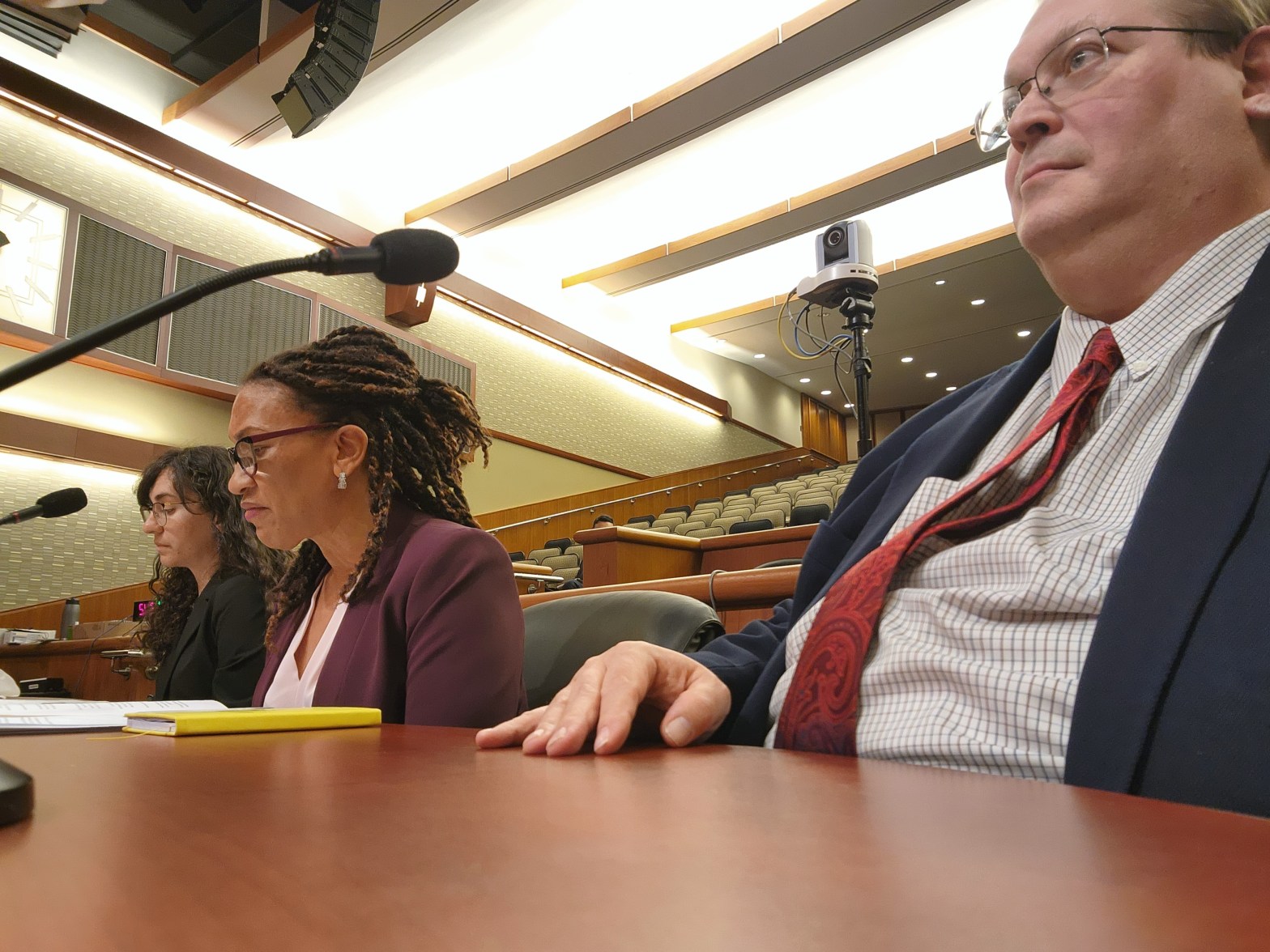
I appeared on behalf of the NYS Elections Commissioner Association and my Democratic Caucus of Commissioner to ask for NYS Funding for county Board of Elections as well as capital funding to replace equipment. Members also asked questions on Voter ID, Moving elections to even years, and proper timing of village elections. Enjoy. Written testimony and supplemental written testimony will be added below.

The Local Government Hearing can be found here: https://www.youtube.com/watch?v=m5uu6g_YLlA&t=26762s

Full written testimony below

Testimony before The New York State Assembly & New York State Senate

Joint Legislative Budget Hearing on Local Government Officials/ General Government

Wednesday, February15, 2023.

Dustin M. Czarny, NYSECA Democratic Caucus Chair

Thank you for letting me testify today.  My name is Dustin Czarny and I am an Elections Commissioner in Onondaga County and the Democratic Caucus Chair of the New York State Elections Commissioner Association.  NYSECA represents the diverse 62 counties throughout New York State.  I proud of our bi-partisan Election Board system and I truly believe this is a model that should be followed nationwide.  The Democratic and Republican Commissioners must work together to ensure the integrity of our election system.  The built-in checks and balances helps NY avoid the partisan battles we see unfolding in other States.  Commissioners must find ways to put partisan ideologies aside to meet the needs of the voters. 

The Board of Elections have faced many hurdles over the last few years and has risen to the challenge.  Since 2019 we have implemented election reforms such as Early Voting, Electronic Pollbooks, Universal transfer of registrations.  We have administered one of the highest turnout Presidential elections in modern history.  We have revamped a robust system of delivering absentee ballots to voters at the highest volume in NYS history.  Implementing a cure system to prevent accidental disenfranchisement of absentee voters over technical deficiencies.  We have done all that in the middle of a multi-year pandemic that challenged the very nature of our mostly in-person voting system and put the health of our election workers at risk.  While no system that is made up of human workers is without its flaws, our Boards have risen to the challenge, and kept our electoral system afloat in New York.

In 2023 and beyond there are more reforms the NYS Legislature has charged our boards with implementing.  Last year we took on the task of canvassing absentee ballots before Election Day, ending New York’s infamous run of being last in the nation to certify our results.  We will expand Early Voting opening more sites than the last few years.  This years we will take on online and automatic voter registration which will swell our voter rolls and make it easier for New Yorkers to register and update their voter registration.  The Democratic caucus of commissioners looks forward to these challenges as they will improve the lives of voters and participation in our Electoral system.

I would be remiss however not to point out that with these added burdens will come added burdens.  The expansion of Early Voting will mean more inspectors with more pay as minimum wage increases and expanded weekend hours add to our costs.  We will need to bring in additional personnel to conduct the early canvass of absentees before Election Day as our regular personnel are tied up with Early Voting and Election Day preparation.  We need additional equipment such as high speed scanners, sorting equipment, and rolling our electronic poll books on Election Day as well as on demand ballot printers.  Additionally we have an aging fleet of Election Day scanners that is in desperate need of replacement.

These added costs are met with skepticism and resistance from our host counties.  The politicization of our electoral process is not just something happening in other states, it has been happening on the local level as well.  Host counties made up of elected leaders who are hostile to these voting reforms refuse to give more than minimum funding to our Boards of Elections.  This resistance is in part because of our independence and in part because of the national ideological battle over the right to free and fair elections.  Too often the Election Boards are after thoughts for county budgeting and they are resistant to our requests to cover the added duties put upon us by State Government.

The Executive budget comes along way for providing the necessary funding for the New York State Board of Elections.  This is righting many years of misery when it comes to funding the State Board of Elections.  It is a welcome and important step as the State Board of Elections will be a vital partner for County Boards.  The State Board of Elections will shoulder the burden of Online and Automatic voter registration as well as tracking of our absentee ballots and the Campaign and Public Finance systems.  However the Executive Budget only appropriates old unspent Aid to Localities and Capital Funding will help some counties who are behind on upgrading their systems.  However we need new and substantial funding for all counties going forward.

New York State must play a role in funding elections at the County level.  The burdens that County Boards face in 2023 are similar to those we faced in 2019.  We need similar funding.  In 2019 we received $10 million in Aid to Localities and $25 million in capital funding.  This level of funding will allow for our boards to hire personnel to accomplish the absentee staffing and staff expanded Early Voting centers.  The Capital funding will allow us to expand Electronic Poll Books for use on Election Day statewide as well as purchasing technological advances for canvassing and reporting Absentee results alongside Election and Early Voting results in a timely manner.  It will also allow many counties to start replacing their aging Election Day scanners as next generation machines are set to be certified by the New York State Board of Elections over the next 6 months.

We have aging electronic poll books that are in need of being upgrade. Similarly many counties have precinct scanner fleets that are in desperate need of replacement.  Next generation precinct scanners are being approved by the NYS Board of Elections this year.  Providing funding to counties to be able to replace their fleets is necessary to ensure every voter in every county has the same Election Day and Early Voting experience.  We also would like dedicated funding and/or grants for voter outreach and education, a source of funding not provided by most counties to the Election Boards.  These funding requests have the bi-partisan support of the entire NYS Elections Commissioner Association.

We must also protect our Board of Elections from interference from local elected officials.  Often the existence of state funding is a reason for county offices to use that instead of committing the appropriate amount of local dollars.  This often results in no net revenue for local board of elections to accomplish their added burdens.  We need to establish minimum staffing levels tied to voter registration rolls for each county Board of Elections.  We need mandates for full time commissioners as our political calendars demand input and guidance year round.  These guidelines can be established and monitored by our State Board of Elections to maintain the independence we need of our Boards of Elections while assuring that counties and New York State give the vital resources for us to accomplish our mission.

Thank you very much for this opportunity to testify today.  I hope that we can count on the legislatures support in defending our democracy here in New York.

Dustin M. Czarny

Commissioner (D), Onondaga County

Democratic Caucus Chair, NYS Elections Commissioner Association.

Commissioner in a Car: Budget hearings for NYS

I travel Wednesday to Albany to testify on behalf of the NYS Elections Commissioner Association in the Local Government Budget Hearing. I preview my testimony here. Enjoy.

https://anchor.fm/zoomwithczarny

Subscribe to dustinczarny.com for all content and election news updates

The Weekly Wonk: Registration Forms processed in 2022

Welcome back to the #WeeklyWonk. Each weekend I release an article on a subject relating to elections in Onondaga County and New York State. Often these articles will have detailed stats to consume but sometimes they will be a recap of a prominent issue or on relevant election law. I am turning my eye to the 2023 elections. This week I take a break from looking at the political subdivisions and focus on a work item from the Onondaga County Board of elections.  Today I examine the registration forms processed at the Onondaga County Board of Elections.

Processing registration changes is one of the biggest workloads, outside of running the elections itself, of the Onondaga County Board of Elections.    In 2022 we processed 66,308 Registration forms.  The DMV made up the largest portion of our registration work with 47,164 forms (71%).  Forms received by Mail were the second most with 9977 (15%), forms received over the counter at the Board was third with 4,321 (7%), Affidavit ballots that have a registration form on it was fourth with 2,865 (4%), and forms received through NYS and government agencies was last with 1770 (3%). That number seems large, but it is actually the lowest registration load since 2017.  That is a little deceptive and I will explain further.

The biggest drop in forms this year compared to last year was the Mail category.   2021 was a local year which we would expect to have less activity than a federal year.  However, we processed only 9,977 forms in the mail category this year, just 36.3% of last year’s 27,500.  The mail category includes our “mail Check” informational cards in it.  These cards go out in May to every active registered voter in Onondaga County.  When cards are returned as undeliverable or have forwarding addresses on them, we change registrations based on the information on the card.  This is usually done in the months of July an August after the June primary.  In 2022 we were given a second primary in August because of the NY redistricting lawsuit.  Our small staff was unable to process these forms and prepare for the August primary.  We were then too close to the federal general election in 2022.  This meant thousands of mail-check cards were left undone.  We are looking to do more in 2023 to catch up from this backlog.

We did see an increase in forms received over the counter, which you would expect in a mid-term year.  Forms received over the counter are not just individuals showing up in person, but forms delivered from various registration drives done by advocacy groups.  Our 4321 forms in 2022 is an increase of 33.5%.  This is a welcome sign as in person voter registration drives in 2020 and 2021 were hampered by the COVID -19 virus.  While this increase is notable, it still lagged behind the last mid-term year of 2018 (6505) and even the last normal election year of 2019 (4772).

DMV registrations were counted as mail registrations before 2013 when I became commissioner and started breaking out the statistic in our annual report.  In 2016 the NYS DMV offered a form of online voter registration for those that have a MYDMV account.  The growth in this category has been astronomical.  When we compare 2022 to the last mid-term the 47164 forms was greater than 2018 (42696).  However the DMV forms in 2019, 2020, and 2021 were significantly higher than 2022.  It needs to be noted that every DMV form received as timely was processed by the Onondaga County Board of Elections.  The cut off for registration forms was October 14, 2022.  Forms received after the voter registration cut off are held until after the election to be processed.  This is usually done in December after election certification.  However, this year we had the #SD50 hand count that lasted until December 21, 2022.  Because of the ongoing hand count and litigation, we could not process voter registrations until after that.  So many forms that were in our office to be processed will now show up as processed in 2023 instead of 2022.  This could account for some of the fall off.

Forms delivered by NYS government agencies was also counted in the Mail category before 2013.  It is routinely one of the smallest categories for receiving voter registrations.  In 2022 we received 1,770 forms in this category which was an increase from 2021 (1461) of 17.5%.  However, 2021 and 2022 are far below any year on record.  The Board of Elections are reliant on NYS agencies to provide these forms to us as part of election law.  It is possible with less in person appointments due to the COVID-19 crisis agencies have not been able to get forms filled out.  We should monitor this in the future to see if this a bounce back over the next few years.

In 2019 we started to track the voter registration updates from Affidavit ballots, before it was put into the counter category.  Affidavit registrations come from Affidavit ballots received in person during Early or Election Day voting.  In 2022 we processed 2,865 registration forms off affidavits, almost doubling the 1462 forms from 2021.  This is almost entirely due to increase voter turnout as the mid-term turnout (56.23%) was double the turnout of 2021 (31.08%).  The exception to that rule is 2019 where a large amount of affidavits were processed for a low turnout election (36.73%).  Increased voter registration activity paired with electronic poll books at polling places is making affidavit balloting less frequent as the voter rolls are more accurate.

Finally we look at voter registration forms processed annually since 2009.  Voter registration work has grown exponentially since 2016.  This growth is mainly due to forms from the DMV, and that is because of the MYDMV online voter registration system.  From 2011 to 2014 the BOE averaged 19256.50 forms per year.  From 2015-2019 the OCBOE processed 38,516 annually. This last four-year cycle, 2019-2022, the BOE averaged 86,081 forms annually.  This is an increase of 447% over these three cycles and 223% from the last cycle.  It is important to keep in mind the growth can be attributed to online options for DMV users.  This year the NYS Board of Elections will implement online voter registration for all citizens and automatic voter registration is on its way as well.  This could see even more work sent to our office and staffing levels will need to be adjusted.

That’s it for this #WeeklyWonk.  Next week I plan to look at redistricting in 2023.  All 17 Onondaga County Legislative districts and all 5 district Syracuse Common Council districts have been altered for the 2023 election. I will look at the differences in these districts as our registration vendor implements the new maps for 2023.  Remember to subscribe to dustinczarny.com for all election news and content updates.

Zoom With Czarny: Danielle Brecker Empire State Indivisible

This week I check in with Danielle Brecker of Empire State Indivisible. We have a discussion on state politics, the history of Indivisible, and what they are doing around the budget and hopes for this legislative session. Enjoy.

https://anchor.fm/zoomwithczarny

Subscribe to dustincarny.com for all content and election news updates